









Table of Contents
Every dash cam has a sensor, and the sensor is where light becomes data. It sets the ceiling on everything the camera can do afterward. No amount of ISP tuning or AI processing can recover detail the sensor didn't capture in the first place. That's why "what sensor is inside" is the first serious question to ask about any dash cam.
Not all sensors handle the road the same way. The failure modes that have ruined dash cam footage for years, blown-out highlights, muddy night video, plates that clip to a white rectangle, are silicon problems before they're software problems. Sony's Starvis 2 is the current best-in-class sensor family for the automotive environment, and it's what our flagship cameras are built around.
What Sony Starvis 2 Changes
A dash cam faces some of the most demanding imaging conditions in consumer electronics, from extreme and rapidly changing lighting to low-light scenes, constant vibration, wide temperature swings, and limited onboard computing power.
Conventional sensors typically address these challenges individually, while Starvis 2 addresses several at once.
Wider Dynamic Range
Bright sky over a shaded road can span more than fourteen stops of light. Older sensors clip the sky to white and lose the shadow at the same time, leaving nothing usable in either.
Starvis 2 roughly doubles usable dynamic range through pixel-level HDR (dual conversion gain per pixel), so a headlight framed against a dark tunnel exit still holds structure instead of blooming into a solid white blob.
Better Night Visibility
Streetlights and moonlight put a lot of their energy in the near-infrared, where older CMOS sensors were weakest.
STARVIS 2 uses an improved back-illuminated (BSI) pixel structure to boost near-IR sensitivity, converting more of the light actually reaching the sensor in a night scene into useful signal rather than noise, and delivering clear, discernible footage even under a single sodium streetlight.
Reduced Motion Distortion
Rolling-shutter sensors read out one line at a time, and at 120 km/h a fast-moving vehicle can skew across the frame.
Rolling-shutter sensors capture the image line by line, so fast motion, such as a vehicle traveling at highway speed, can make moving objects appear skewed or stretched.
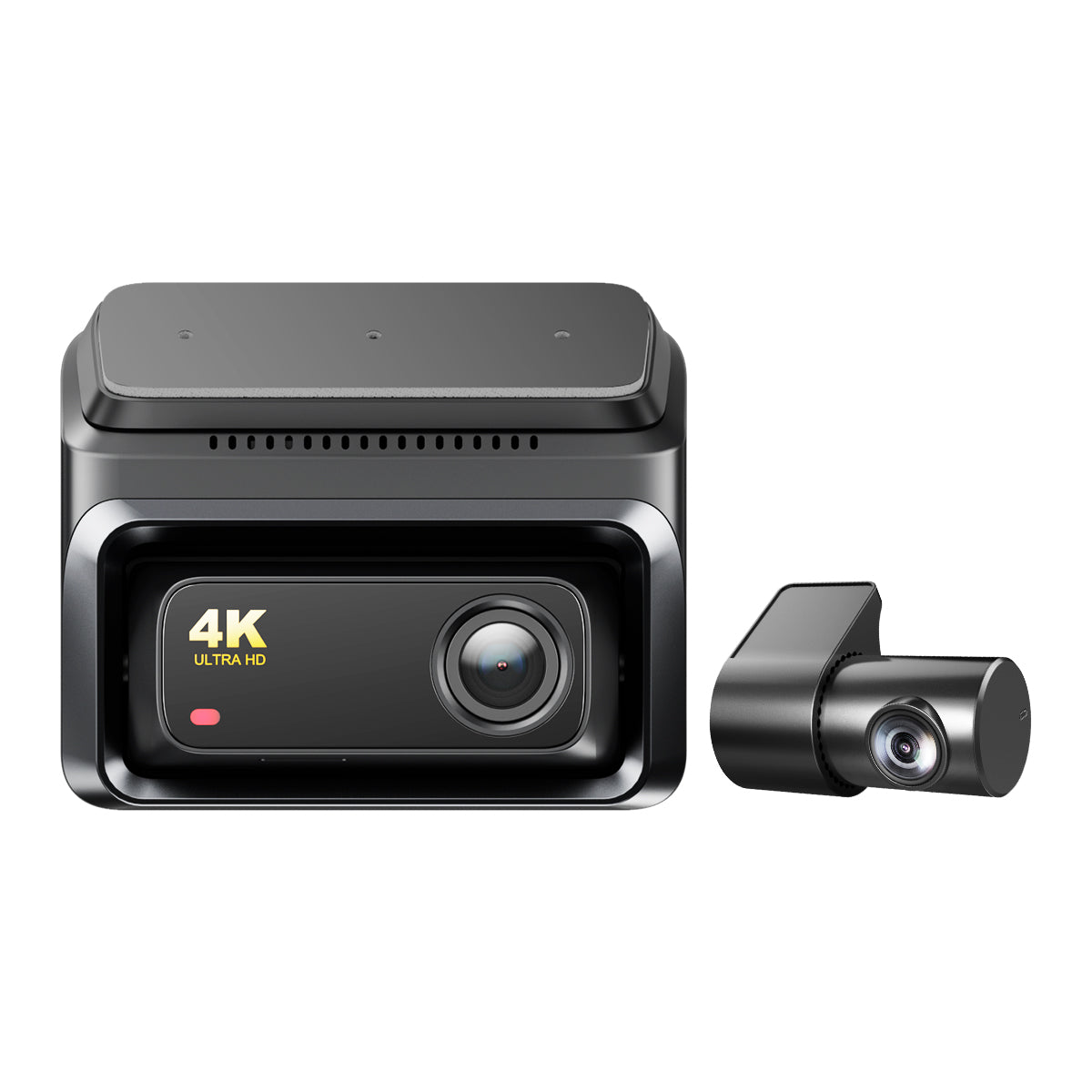
The 4K flagship of the family is the Sony IMX678, and it's the sensor at the front of our flagship dash cams. If you want the full breakdown of what Starvis 2 is and how the STARVIS 2 family fits together, we've written a complete guide here.
Why DDPAI Is the Best Sony Starvis 2 Dash Cam Choice
A sensor arrives from Sony with a default tuning that assumes a generic camera. It's a starting point, not a finished product. Buying the same silicon everyone else buys and shipping it with default settings gets you the same result everyone else ships. What we do after the sensor is where the difference is engineered.
NightVIS night vision system
STARVIS 2 raises the limit on how much light a sensor can convert into usable signal, with particularly strong gains in near-infrared sensitivity. To turn that capability into real-world night performance, we developed NightVIS, a night-imaging system that combines hardware and software to make the most of every bit of available light.
HDR pipeline built for license plates
Starvis 2 widens the raw dynamic range the sensor can capture through per-pixel dual conversion gain. But raw dynamic range is just data. How the bright and dark exposures get fused into the final frame is a software choice, and different HDR pipelines optimize for different things.
For a dash cam, the priority is different: when highlight preservation conflicts with critical subject detail, the latter matters more. Our HDR fusion is weighted toward the mid-tones where license plates, faces, and other key details are found, even if that means giving up some highlight detail.
Realcube image processing
Realcube image processing feature page
With
STARVIS 2 capturing the signal, NightVIS handling low light, and HDR balancing highlights and shadows, our
proprietary Realcube engine fine-tunes the image for every road scene. It lifts shadow
detail without blowing out highlights, preserves color, and maintains consistent sharpness and noise
control across the tonal range.
DDPAI Sony Starvis 2 Dash Cam Models
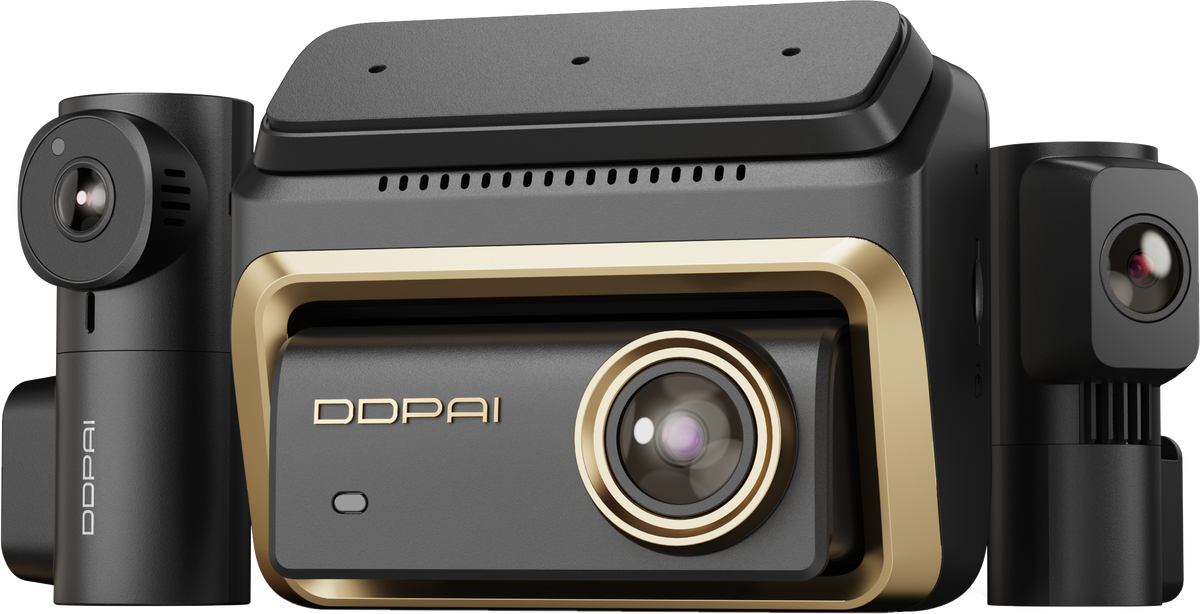
Z90 Master
Sony IMX678 STARVIS 2 sensors on both front and rear dash cams, with 4K/30fps recording on both channels. An optional 3K interior camera enables a three-channel HDR configuration. F1.8 front and rear apertures.
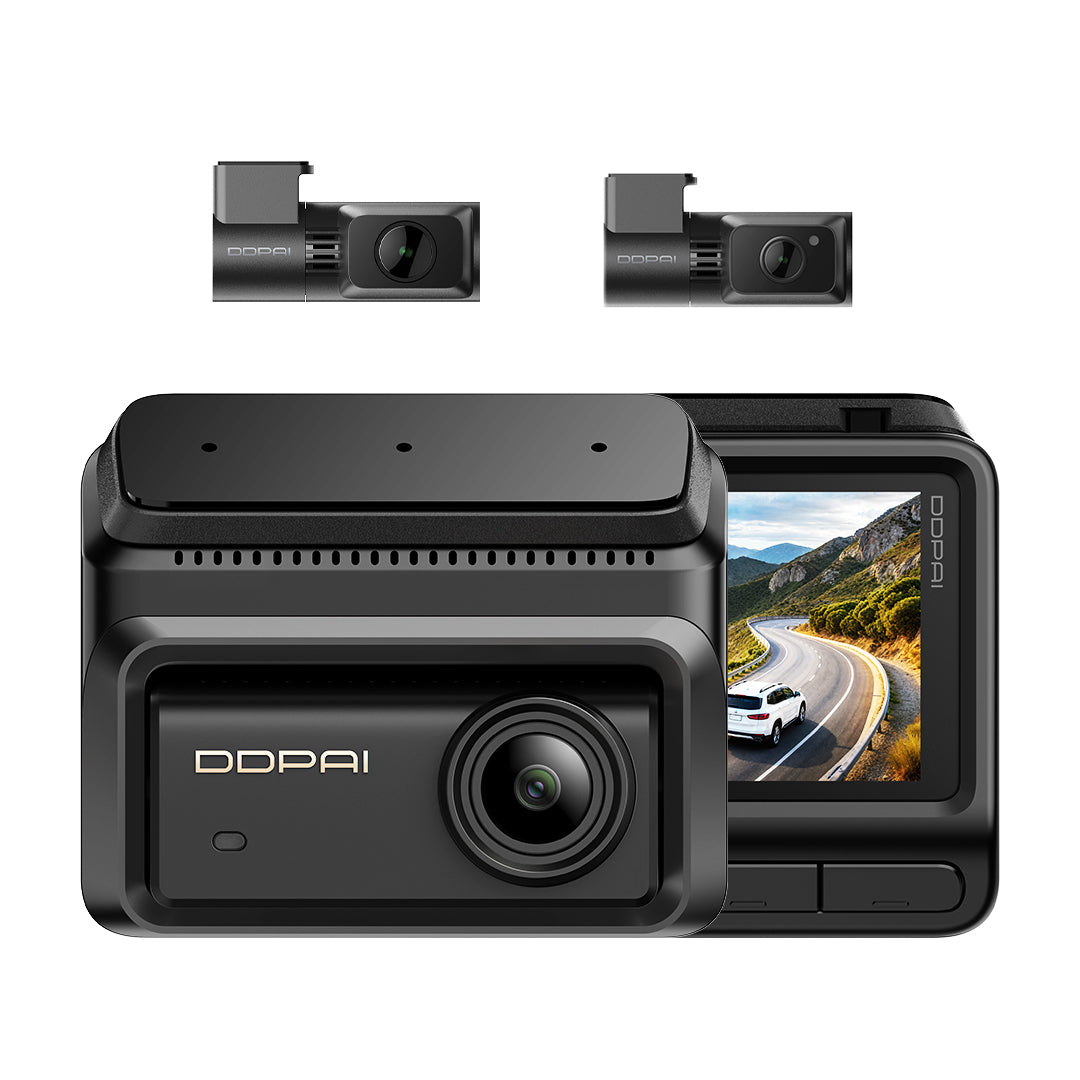
Z60 Master
Z60 Master product page
Sony IMX678 STARVIS 2
front dash cam with 4K recording, paired with a STARVIS 2 rear camera for balanced front-and-rear
coverage. Available in two- and three-channel configurations.
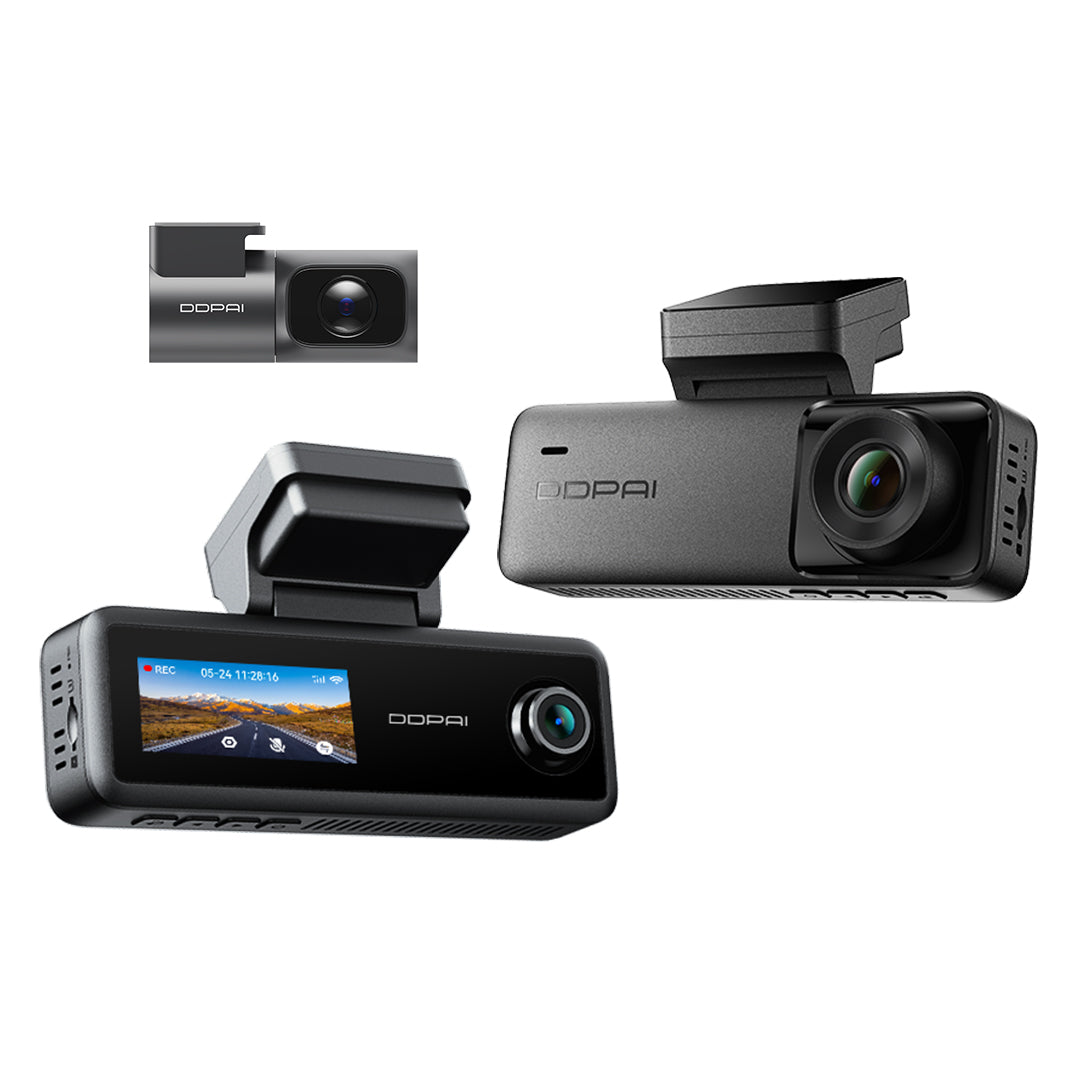
Z60 Pro
Z60 Pro product page
Sony IMX678 STARVIS 2 front
camera with 4K recording, paired with a Sony IMX662 STARVIS 2 rear camera at 1080p.
Available in two- and three-channel configurations.
Leave a comment
All comments are moderated before being published.
This site is protected by hCaptcha and the hCaptcha Privacy Policy and Terms of Service apply.