










Table of Contents
Driving at night can turn an ordinary journey into a visual challenge. A dark road hides details, oncoming headlights create intense glare, and a license plate that looks clear to the human eye may be difficult to read when you review your footage.
For drivers looking for the best dash cam for night driving, resolution is only part of the equation. A camera also needs to manage changing light, preserve detail in dark scenes, and capture distant objects clearly.
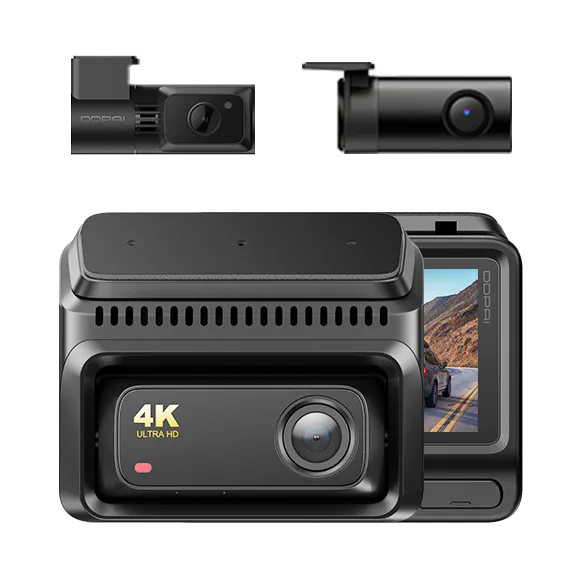
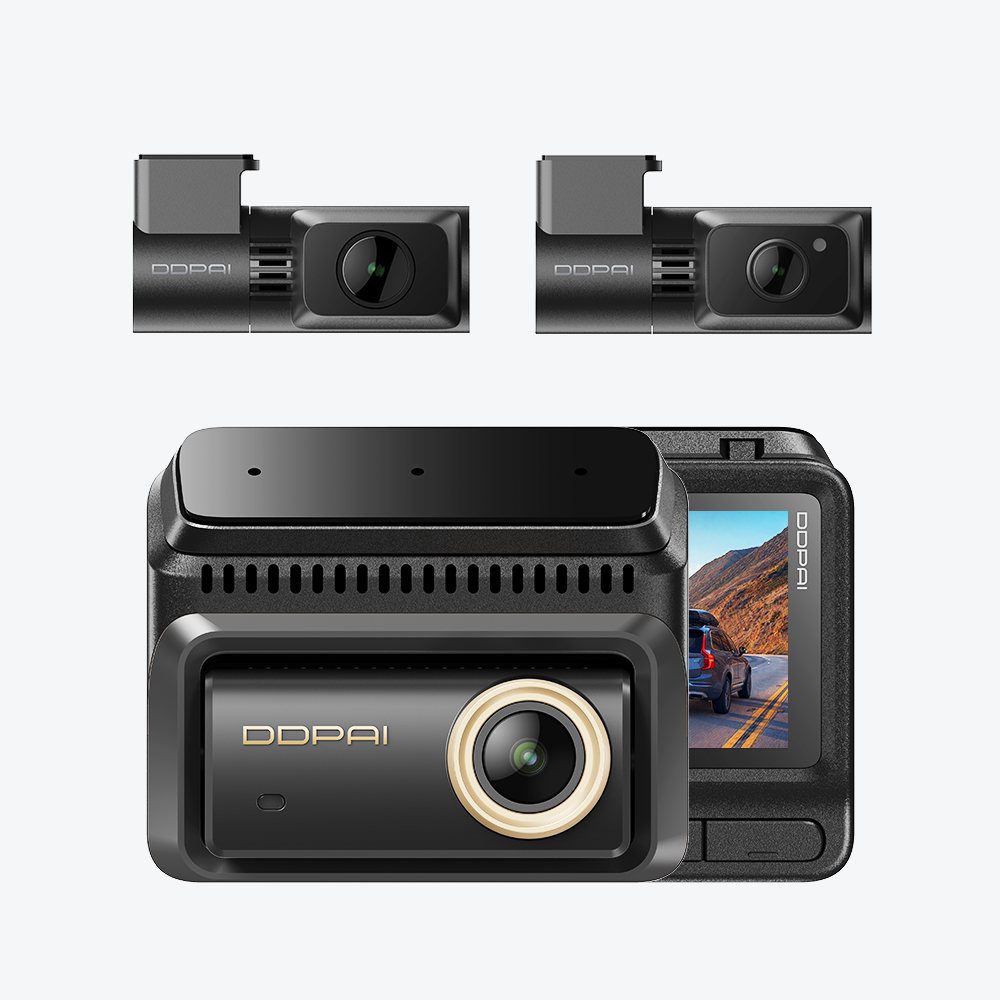
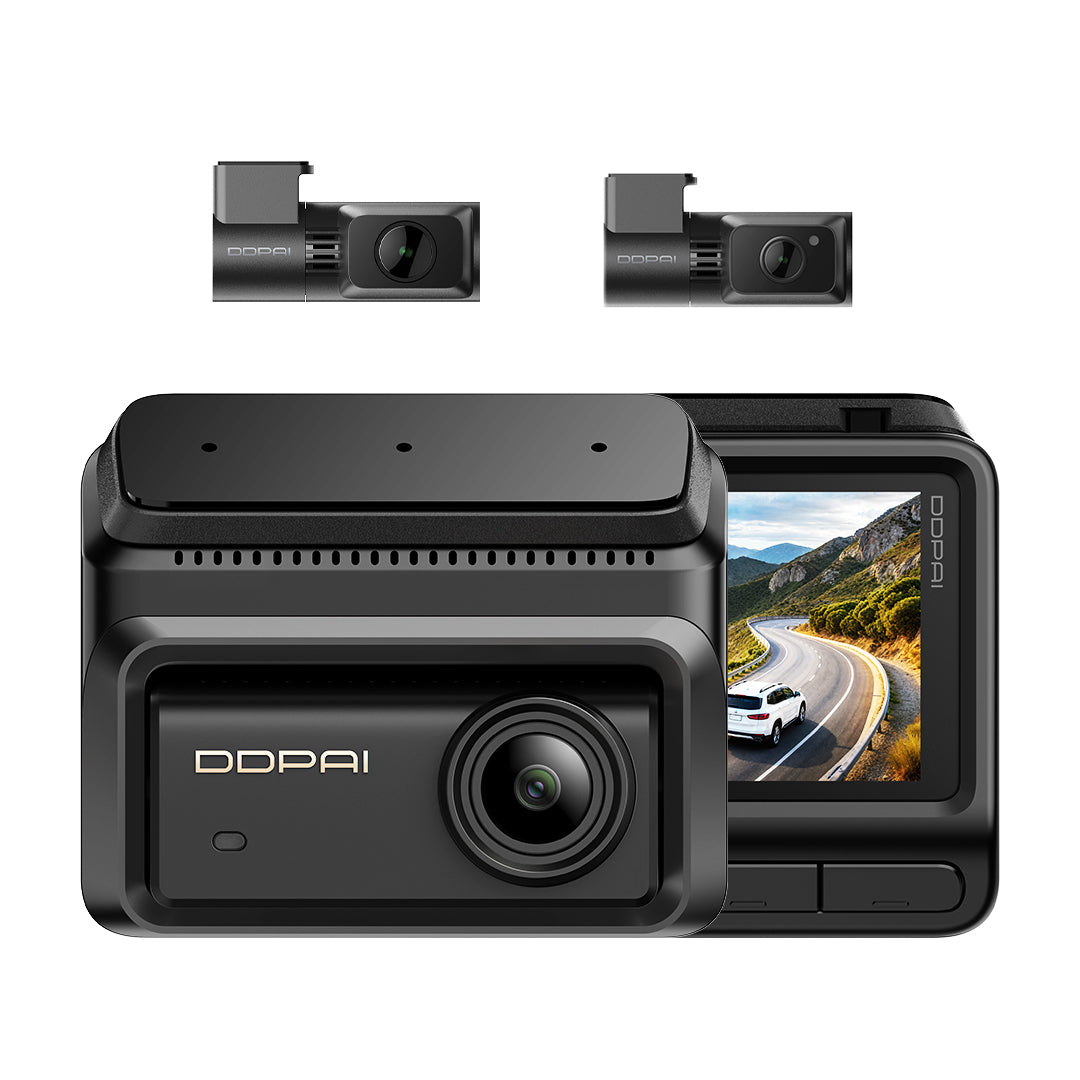
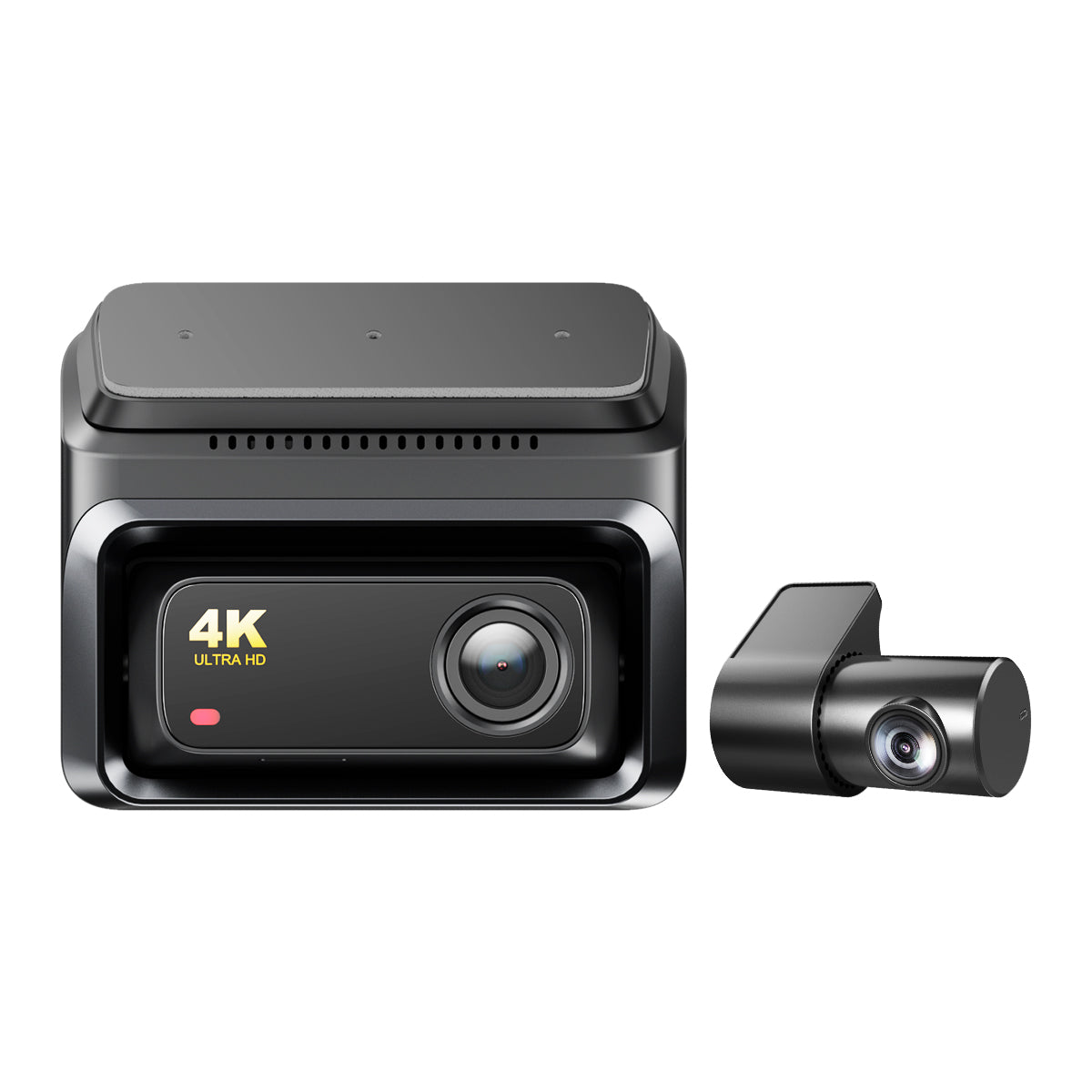
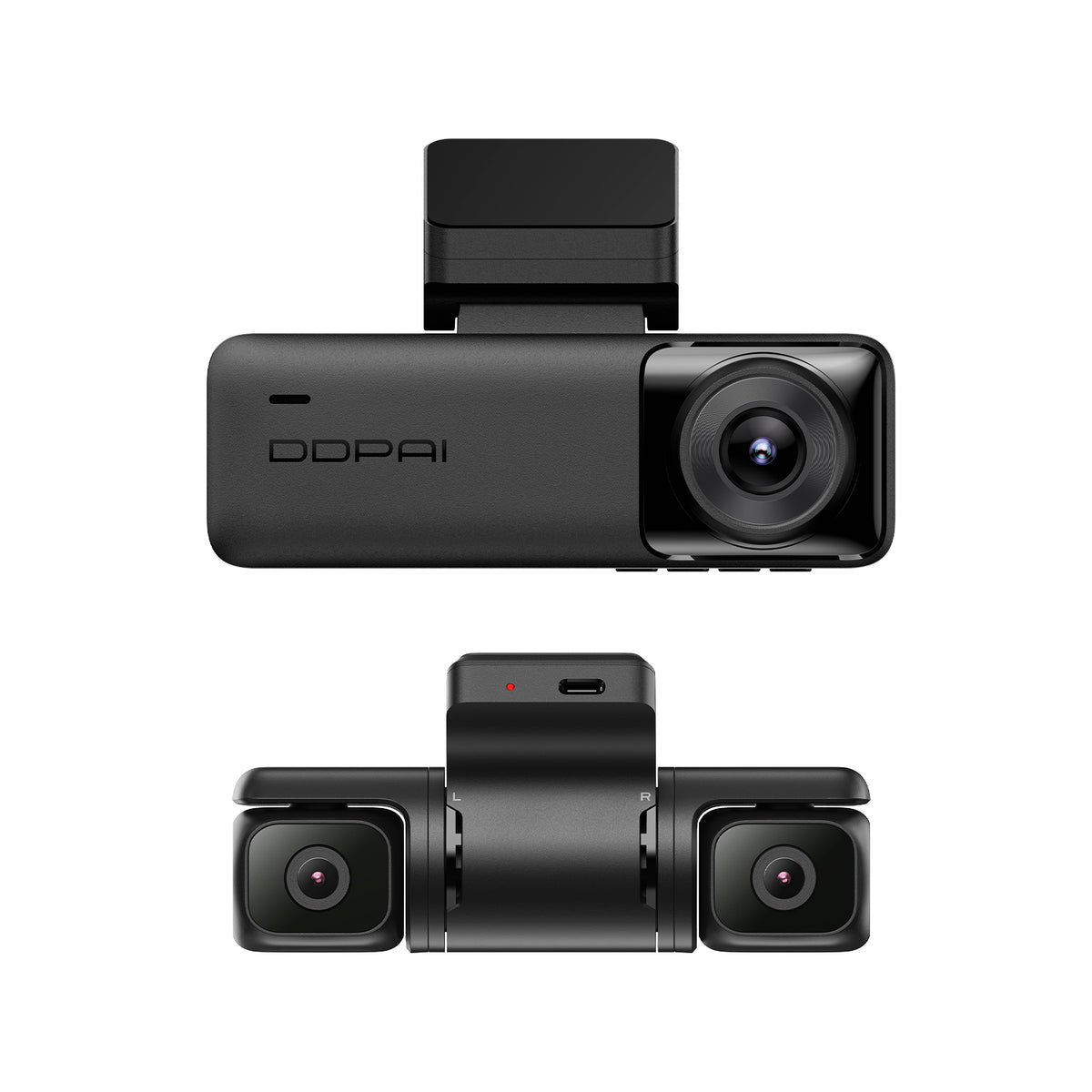
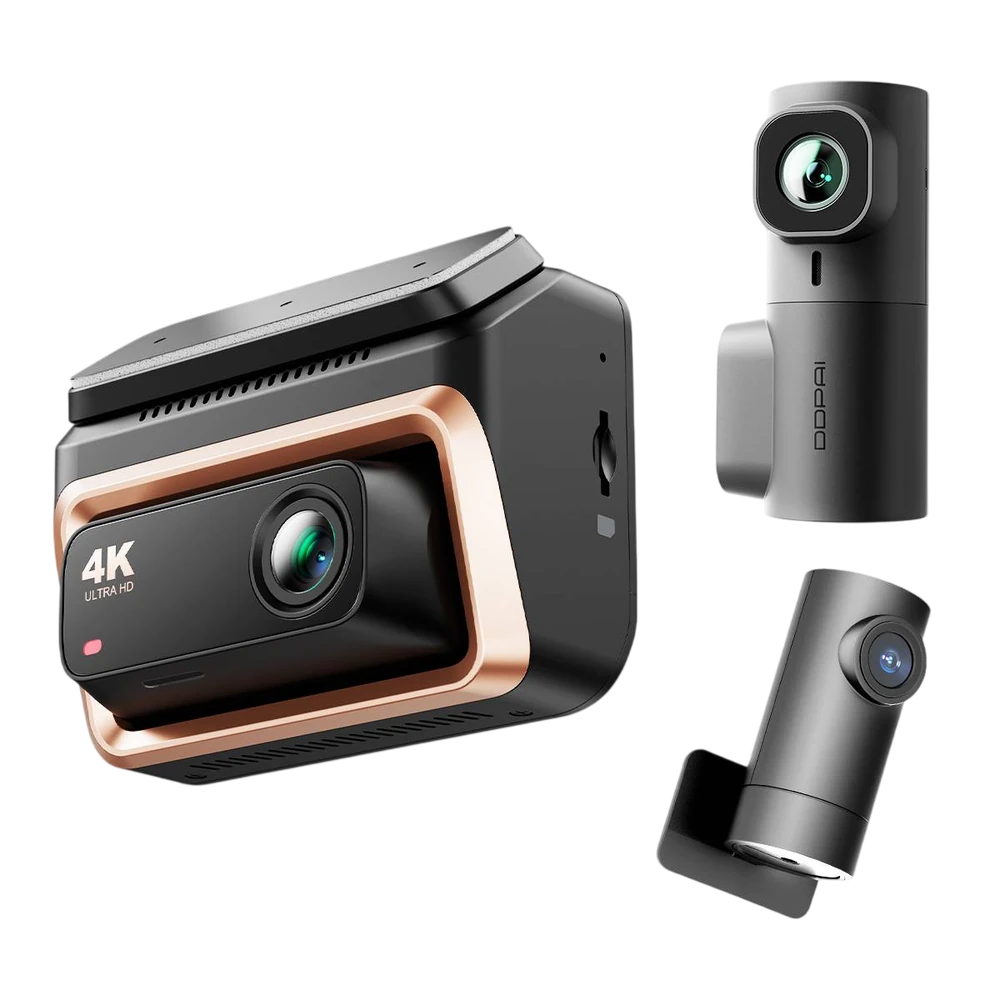
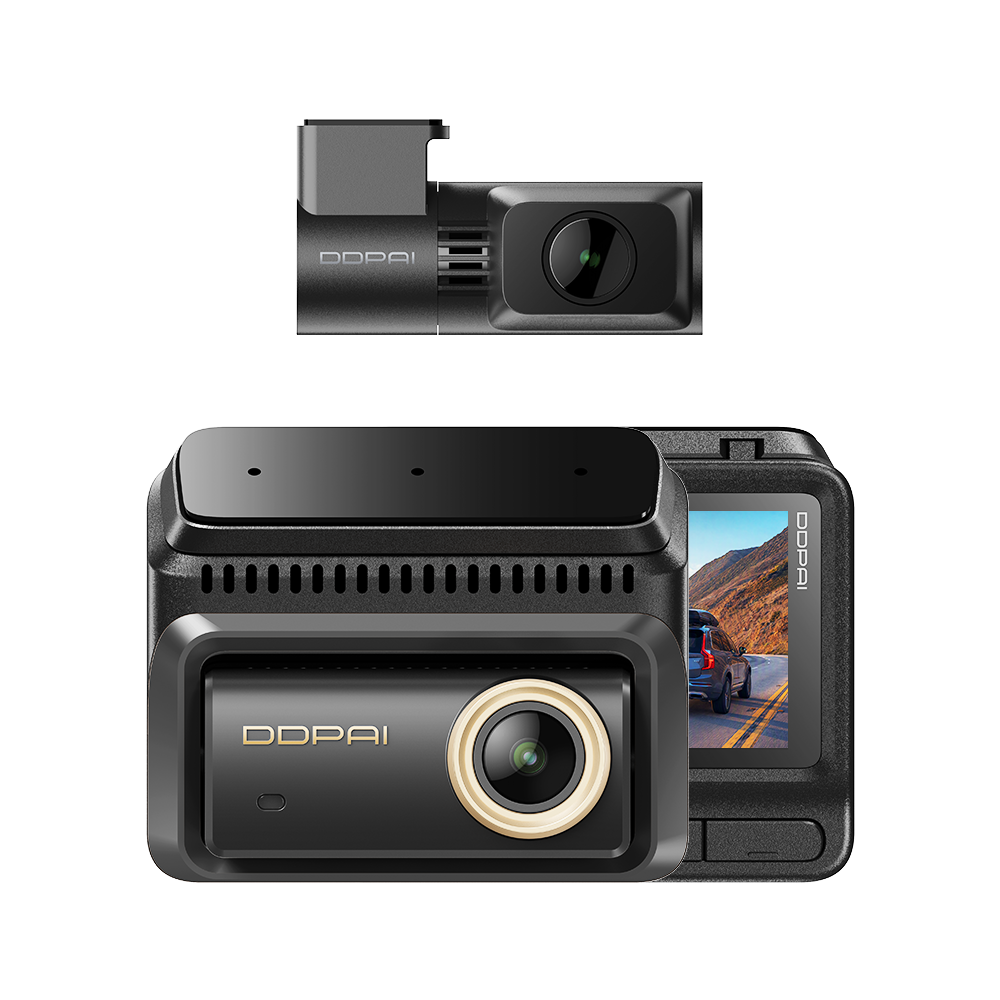
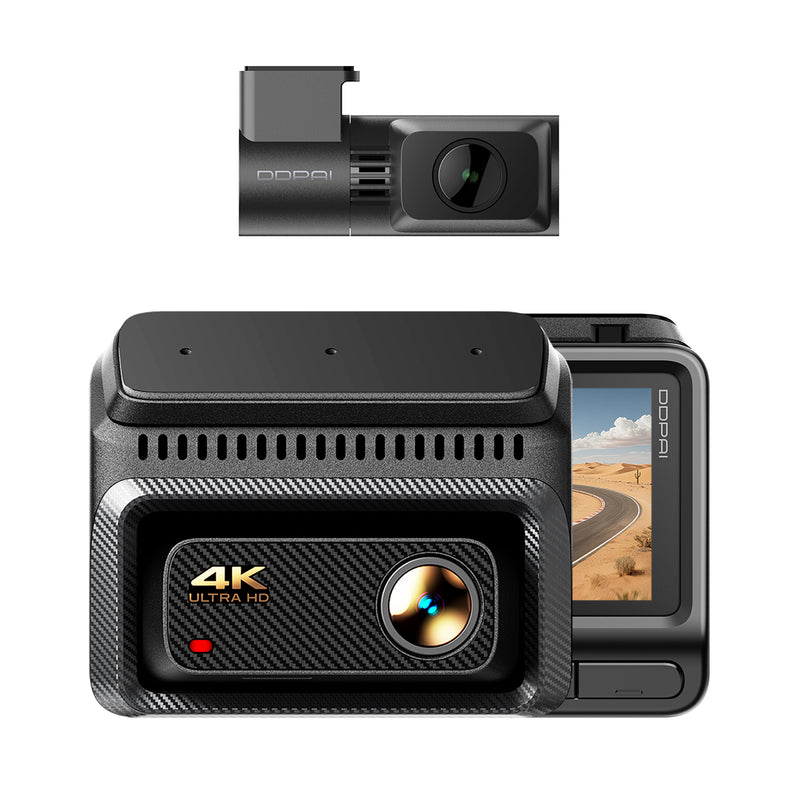
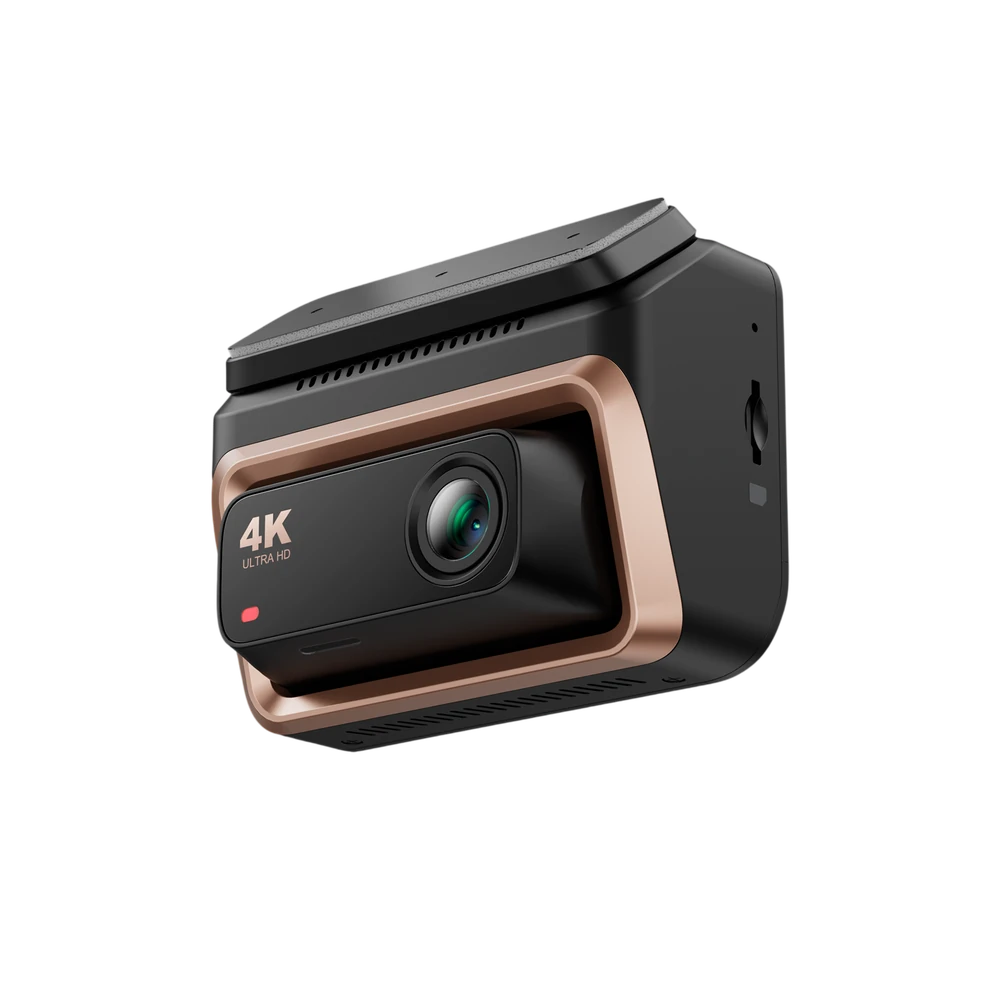
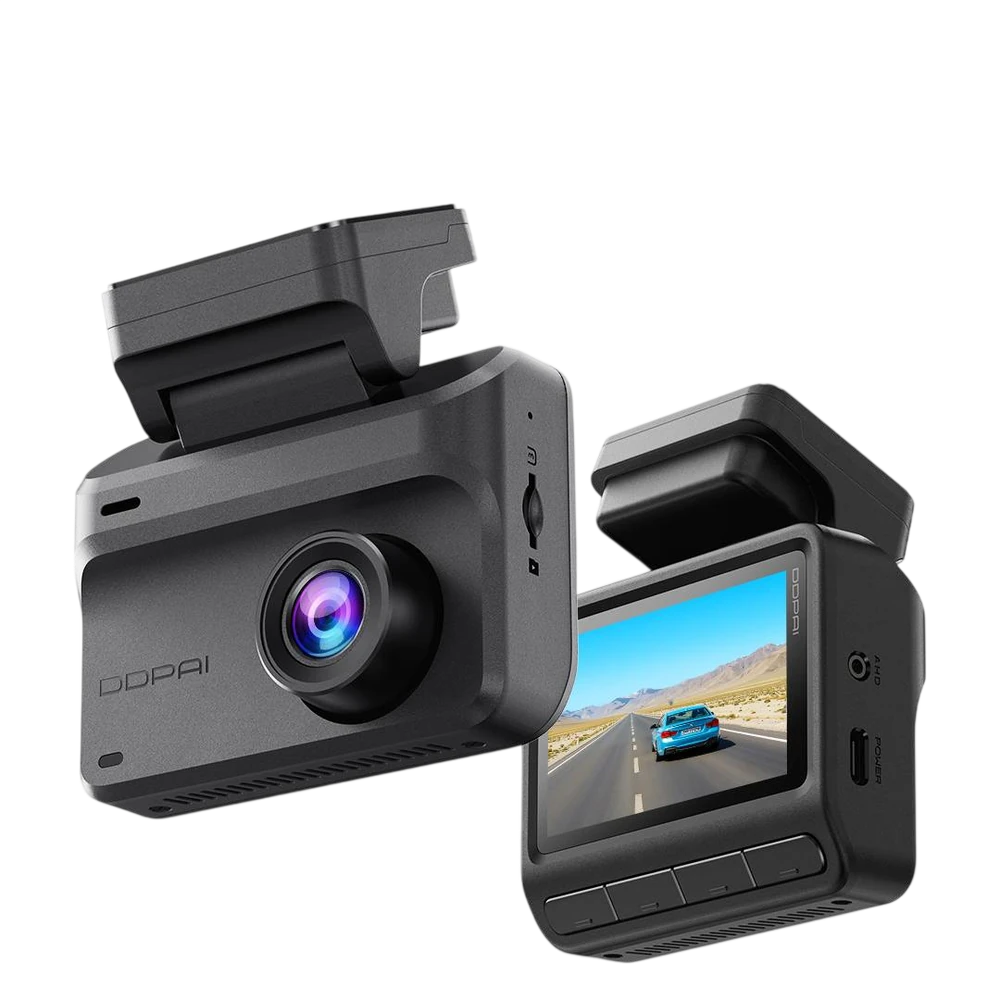
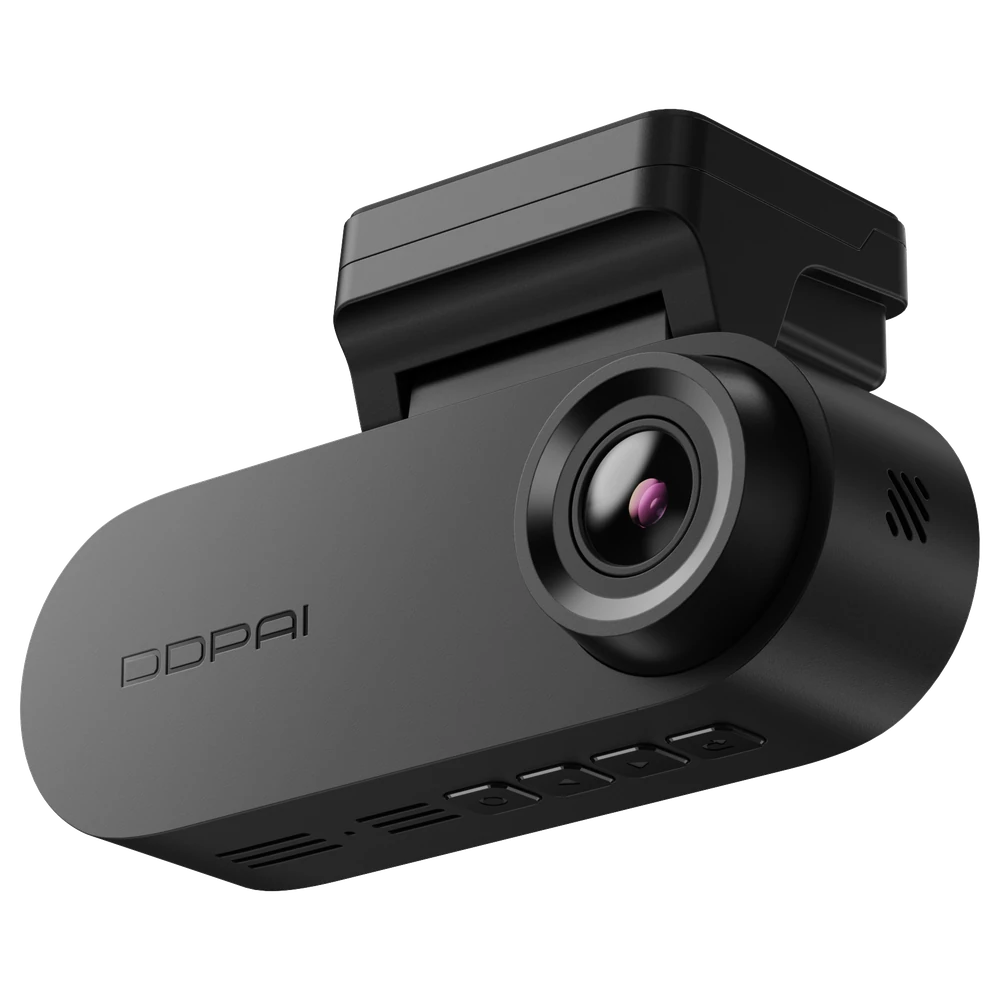
The DDPAI Z100 brings these capabilities together with a smart variable aperture, Sony STARVIS 2 sensors, and NightVIS 2.0 image processing. It also offers additional features designed to provide a wider view of the road and greater peace of mind when your vehicle is parked.
The Challenge of Night Driving
Night driving presents a difficult mix of darkness, glare, and motion that can make even familiar roads harder to navigate. Streetlights may be sparse, headlights can appear suddenly, and vehicles can move in and out of view within seconds. For a dash cam, capturing all of these changing conditions clearly is just as challenging.
- Dark roads can produce grainy footage as the camera tries to capture details with limited light.
- Oncoming headlights can wash out reflective surfaces and license plates while the surrounding road remains dark.
- Moving vehicles may appear blurred, while distant plates can be too small to read even in 4K footage.
Today’s dash cams use several technologies to address these problems. Low light sensors such as Sony STARVIS 2 help capture detail in dark scenes. Wide apertures allow more light into the lens, while HDR helps retain detail across bright and dark areas. Image processing can also reduce noise and improve the visibility of nighttime footage.
These technologies have made night recording more capable, but there is still room to improve. Reducing noise can soften fine details, while brightening a dark scene does not necessarily make a moving license plate readable. HDR can help balance exposure, but intense headlights and reflective surfaces remain challenging.
Why a Fixed Aperture Has Limits
A dash cam aperture controls how much light enters the lens. A wider aperture lets in more light, which can help in darker conditions. A narrower aperture restricts incoming light and can help manage brighter scenes.
Many conventional dash cams use a fixed aperture, so the opening cannot change as lighting conditions change. The camera must rely on other exposure adjustments and image processing as it moves from a dark road into headlight glare or a brightly lit intersection.
A wide angle lens also has a tradeoff. It captures more of the road, but distant objects appear smaller in the frame. Better nighttime footage therefore depends on more than resolution alone. The sensor, optics, exposure controls, and image processing all need to work together.
How the Z100 Makes Night Driving Clearer
Clear footage during night driving depends on how well a dash cam handles both limited light and sudden brightness. The DDPAI Z100 addresses these challenges by combining a smart variable aperture with Sony STARVIS 2 sensors and NightVIS 2.0 image processing. Together, these technologies are designed to capture more light, manage exposure, and preserve detail after dark.
Smart Aperture for Changing Light
The Z100 approaches changing light with an intelligent variable aperture on its front wide angle lens. It automatically switches between F1.0 and F2.0 according to ambient lighting.
- In darker surroundings, the aperture opens to F1.0 to capture more light.
- In brighter conditions, it switches to F2.0 to help control excess light and balance exposure.
The F1.0 setting captures up to 3.2 times as much light as an F1.8 aperture using the same Sony IMX678 sensor. This figure comes from DDPAI laboratory testing, and actual results depend on conditions.
For night drivers, the benefit is a camera designed to respond as lighting changes, without requiring manual adjustment.

Dual 4K Sensors and NightVIS 2.0
The Z100 pairs its optical system with Sony STARVIS 2 IMX678 sensors in the front wide angle and rear cameras. Each is an 8MP sensor capable of native 4K recording, giving drivers a detailed view of the road ahead and behind.

The system also supports HDR across three channels to help preserve details in bright and dark areas. Combined with NightVIS 2.0 and AI ISP processing, it is designed to produce brighter footage with less noise in challenging light.
Whether you are driving through a dimly lit parking area or along a road with scattered streetlights, the Z100 combines light capture, sensors, and image processing to make important parts of the scene easier to see.
No camera can guarantee that every plate or detail will be readable in every situation. Distance, speed, lighting, weather, and camera placement all affect the final result.
Is the Z100 Worth It?
For drivers who regularly travel after dark, the Z100 offers more than 4K resolution. Its smart aperture adapts to changing light, while the front and rear Sony sensors and NightVIS 2.0 work together to improve visibility in challenging conditions.
Beyond night vision, the Z100 adds value through a closer view of distant details and optional protection when your vehicle is parked.
DualFocal Vision for Near and Far
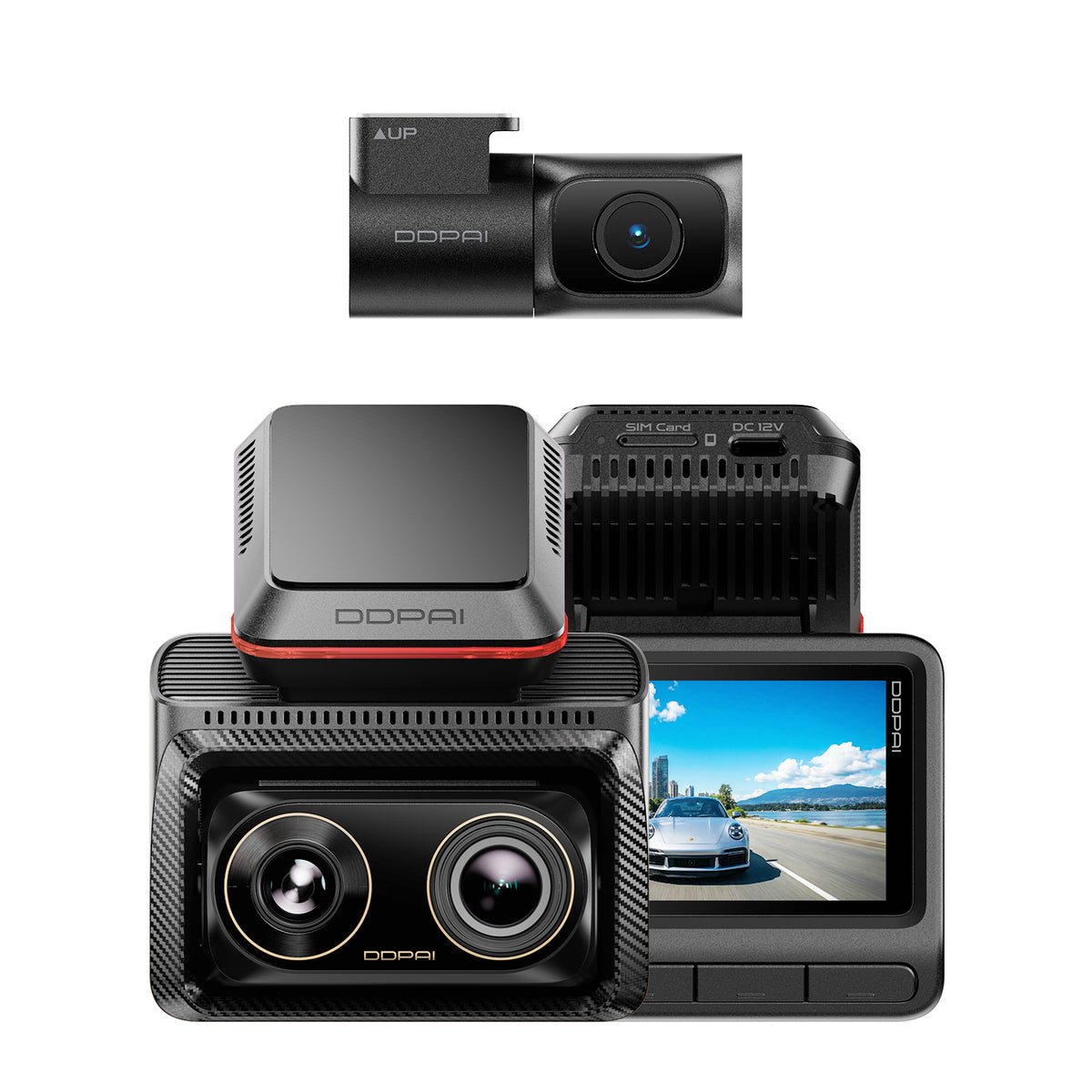
The Z100 uses two front lenses to capture different perspectives at the same time.
- The wide angle lens has a 20mm equivalent focal length, records in 4K, and covers up to four lanes. It captures the broader context around your vehicle.
- The telephoto lens has an 86mm equivalent focal length, records in 2K, and provides more than 4X optical zoom. It gives the camera a closer view of distant details while the wide angle lens records the wider scene.

DDPAI reports visibility of up to 100 meters and license plate capture at up to 60 meters. These distances were measured under controlled conditions, so actual results vary with lighting, weather, vehicle speed, installation, and other factors.
Together, the two perspectives can help provide a fuller picture after an incident. The wide view shows what happened around the vehicle, while the telephoto view offers a closer look farther ahead. Autoevolution also highlights this combination of 4K wide angle and 2K telephoto recording in its coverage of the Z100.
Parking Protection and 4G Access
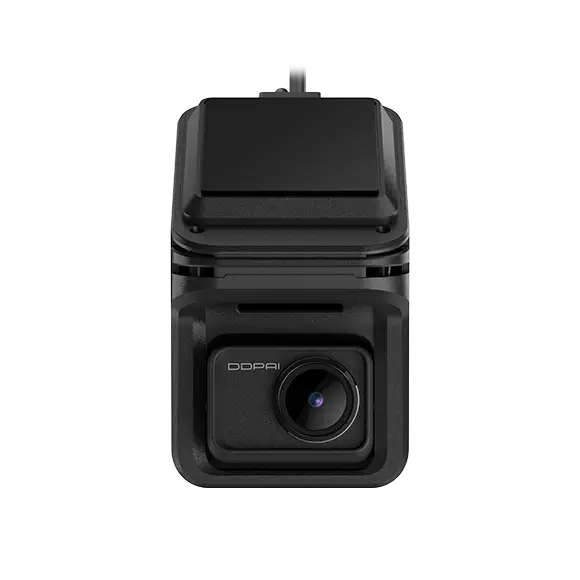
The Z100 also offers options for staying connected when you are away from your vehicle. With the separately available 4G GPS Dock Pro, drivers can use the DDPAI app for features including the following.
- Remote live views of the vehicle
- Parking alerts and geofencing notifications
- Two way voice communication through the camera
- Cloud backup for emergency parking snapshots
For overnight parking, NightVIS 2.0 with AI ISP enhances footage in Time Lapse Mode to help reveal more detail with less noise in dark conditions.
Parking monitoring requires an Intelligent Hardwire Kit or OBD Hardwire Kit, sold separately. The telephoto lens is inactive in Time Lapse Mode. Remote features also depend on connectivity and service availability.
From challenging night drives to distant details and overnight parking, the Z100 brings together features designed to help you see and protect more.

Leave a comment
All comments are moderated before being published.
This site is protected by hCaptcha and the hCaptcha Privacy Policy and Terms of Service apply.