









Sony STARVIS 2 IMX678/675 Specs & Dash Cam Buying Guide
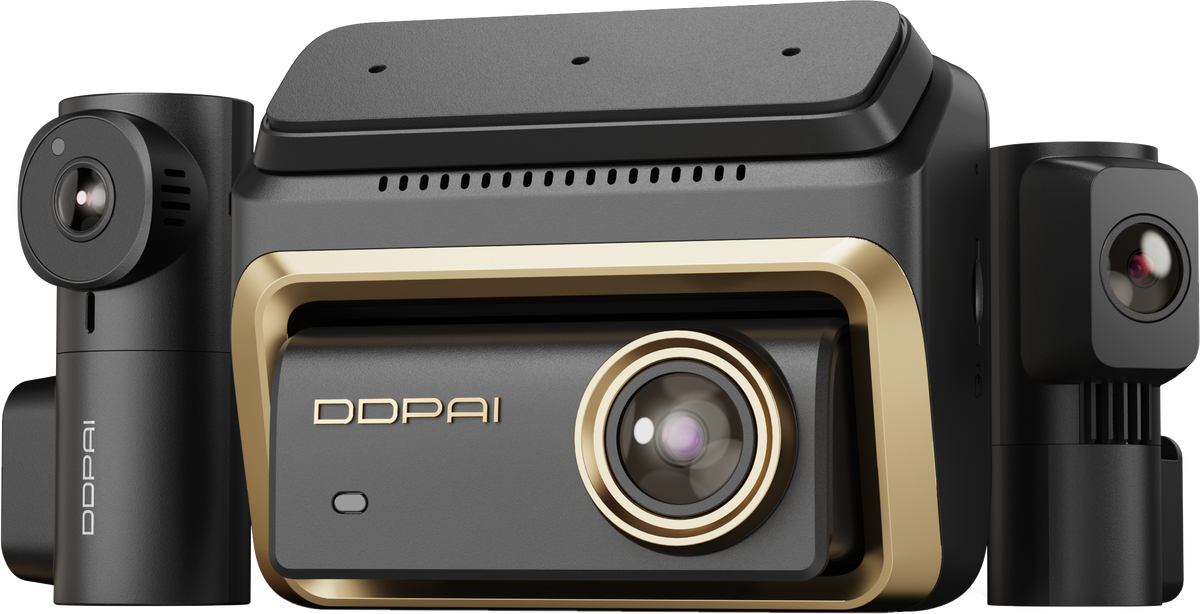
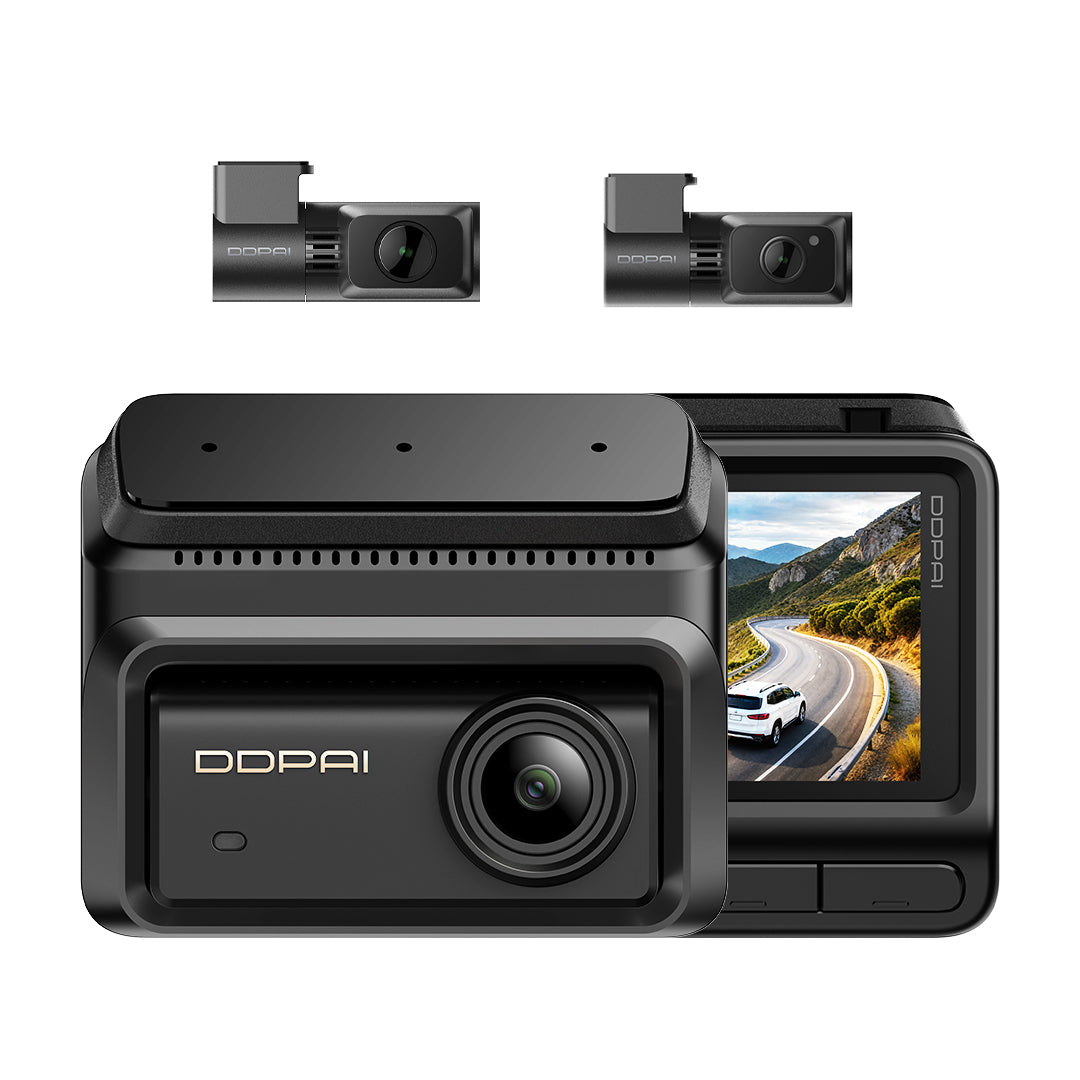
If you are shopping for a dash cam or security camera, Sony STARVIS 2 is a term you will see everywhere. With brighter headlights and unpredictable night driving conditions, having reliable night vision is now an absolute necessity for capturing usable evidence. This guide explains what STARVIS 2 actually is, its primary benefits, which specs are worth comparing, and how the key sensor models to look for, IMX678 (4K) and IMX675 (2K), differ in practice. What is Starvis 2 STARVIS 2 is a high-sensitivity CMOS image sensor technology introduced by Sony in January 2022, designed primarily for applications such as security surveillance, dashcams, and automotive cameras, where high-quality nighttime imaging and wide dynamic range are essential. It sits between the original STARVIS and the newer STARVIS 3 in Sony's lineup, and remains the technology used in most current flagship dash cams. STARVIS 2 represents an upgrade to the STARVIS platform, featuring further advancements in pixel architecture, light sensitivity, and HDR capabilities to deliver improved image quality in low-light conditions. Compared with the previous generation, STARVIS 2 further enhances key imaging performance, including low-light sensitivity and dynamic range. Improvements of STARVIS 2 Compared with the previous generation, STARVIS 2 introduces several structural and imaging improvements that allow the sensor to make better use of available light and capture a wider range of brightness levels. The main upgrades focus on light capture, near-infrared sensitivity, and HDR performance, each addressing a different challenge in real-world imaging. Better Light Capture Built on the back-illuminated (BSI) CMOS pixel structure introduced with the original STARVIS technology, STARVIS 2 improves light capture by increasing the light-receiving capacity of the photodiode and optimizing the on-chip lens and color filter, enabling more incoming light to be converted into image signals. In practical terms, this means the sensor can make better use of the limited light available in low-illuminance environments. Instead of relying mainly on signal amplification to brighten a dark image, more useful light is captured at the sensor level, providing a stronger signal for subsequent image processing. Benefits More effective light capture helps the sensor produce clearer images in low-light conditions while preserving more detail before bright areas become overexposed. Brighter Nighttime Footage: More image information is captured before image processing begins, giving the camera a better foundation for preserving details (road, vehicles, and surrounding objects) in challenging lighting conditions. Clearer Details in Low Light: In poorly lit streets and parking lots, stronger image signals help preserve details that might otherwise disappear into dark areas. Less Noise in Dark Scenes: Because more light is captured at the sensor level, the camera can rely less on signal amplification, helping reduce visible noise in nighttime footage. Higher Near-Infrared (NIR) Sensitivity NIR light has a longer wavelength than visible light, it tends to penetrate deeper into silicon, making photodiode depth particularly important for NIR sensitivity. So, STARVIS 2 further improves its ability to capture near-infrared (NIR) light by increasing the depth of the photodiode and introducing an uneven surface structure that refracts incoming NIR light, increasing its absorption within the photodiode. The same Sony announcement reports that the STARVIS 2-based IMX585 achieves approximately 1.7× higher NIR sensitivity at 850 nm than the previous-generation IMX485. Better Visibility in Extreme Darkness: When visible light is insufficient, the sensor can make better use of NIR illumination to reveal objects and scene details. Lower NIR Illumination Requirements: Higher NIR sensitivity can reduce the amount of NIR illumination needed for a usable image, which can help reduce the heat and power consumption associated with the illumination system. Improved HDR Performance With improved light capture, STARVIS 2 can capture a wider range of brightness levels while preserving more information in both bright and dark areas. It also introduces Clear HDR, which captures images with different gain levels simultaneously, helping reduce motion artifacts that can occur when HDR images are created from exposures taken at different moments. According to Sony, the STARVIS 2-based IMX585 achieves 88 dB of dynamic range in a single exposure, approximately 8× that of the previous-generation IMX485, while maintaining the same 2.9 μm pixel size. It can also achieve 106 dB using multi-exposure HDR. Benefits Better HDR helps preserve details in highlights and shadows, making it easier to capture scenes such as nighttime roads with bright headlights, backlit subjects, and entrances or exits of tunnels. Fewer Overexposed Highlights: When driving toward headlights or strong sunlight, bright areas are less likely to become completely washed out, helping preserve details around the light source. More Detail in Shadows: Dark areas, such as a vehicle in the shade or a poorly lit road, can retain more visible information instead of becoming solid black. Clearer Images in High-Contrast Scenes: When bright and dark areas appear together, such as when entering or exiting a tunnel, STARVIS 2 can preserve more detail across the entire scene. Less Motion Ghosting: Clear HDR's simultaneous capture approach helps reduce ghosting and color artifacts that can occur when HDR images are created from exposures captured at different moments, helping maintain clearer details around moving objects. Together, these improvements give the camera a stronger foundation to work with. When a STARVIS 2 sensor is paired with a fast lens, a capable processor, and careful image tuning, that extra light and dynamic range can be turned into footage that stays clear and usable at night. Sony Starvis 2 sensor technical specifications STARVIS 2 is not a single sensor model, but a family of image sensors designed for different imaging requirements. Compared to the original STARVIS generation, STARVIS 2 introduces Clear HDR technology (single-exposure HDR to eliminate motion blur/ghosting) and Deep Trench Isolation (DTI) photodiode separation walls, boosting single-exposure dynamic range by over 8 dB while expanding full well (saturation) capacity. The primary Sony STARVIS 2 image sensors deployed across current dash cams, along with their key technical specifications, are detailed below. Sensor Model Resolution & Aspect Ratio Optical Format (Sensor Size) Unit Pixel Size Max Frame Rate (Full Res - Sensor Level) Target Segment & Best Use Case Sony IMX678 8.29 MP (3840 × 2160)16:9 1/1.8" 2.0 µm × 2.0 µm 60 fps @ 12-bit Flagship 4K Front Cameras (High license plate readability) Sony IMX585 8.29 MP (3840 × 2160)16:9 1/1.2" 2.9 µm × 2.9 µm 90 fps @ 10-bit60 fps @ 12-bit Enthusiast 4K Front Cameras (Maximum low-light performance) Sony IMX675 5.12 MP (2592 × 1944)4:3 1/2.8" 2.0 µm × 2.0 µm 80 fps @ 10-bit60 fps @ 12-bit Mid-Range 2K/2.5K Cameras (Expanded vertical field-of-view) Sony IMX662 2.12 MP (1920 × 1080)16:9 1/2.8" 2.9 µm × 2.9 µm 90 fps @ 10/12-bit Entry-Level 1080p / High-End Rear Cameras (High NIR sensitivity) Resolution & Aspect Ratio: Determines image detail and coverage angle (4:3 captures more vertical space like traffic lights; 16:9 fits standard screens). Optical Format: Sensor size, where larger sensors gather more light for cleaner night footage.Unit Pixel Size: Pixel light intake area, where larger pixels (≥2.9 µm) significantly reduce night noise. Max Frame Rate: Maximum hardware output speed, where higher rates enable smoother motion and blur-free HDR capture. Target Segment: Ideal hardware placement (for example, primary 4K front camera versus cost-effective rear camera). IMX678 vs. IMX675: Sensor Model Breakdown Among the models commonly used in high-end dash cams, the IMX678 and IMX675 represent two important configurations, offering 4K and 2K resolutions respectively. Both of the sensors use the same 2.0 µm STARVIS 2 pixel. The IMX678 prioritizes higher resolution and image detail, while the IMX675 offers a lower-resolution configuration with a more balanced data and processing load. Specification IMX678 IMX675 Resolution Approx. 8.4 MP (3840 x 2160, 4K) Approx. 5 MP (2592 x 1944, 2K class) Sensor Size Type 1/1.8 Type 1/2.8 Pixel size 2.0 µm 2.0 µm Max frame rate at full resolution Up to 60fps Up to 60fps Aspect ratio 16:9 4:3, taller vertical field Typical dash cam use Flagship 4K front camera 2K front camera or rear or cabin channel Choose IMX678 if plate legibility at distance is your priority. The larger type 1/1.8 format plus 4K output gives you more pixels on a plate two or three cars ahead, and it leaves room to crop a still frame for an insurance claim. Choose IMX675 if you want strong low light performance at a lower price, cooler operation and smaller files. The 4:3 sensor also captures more vertical coverage, which is useful for cabin and rear channels where you want to see traffic lights, signage or passengers. A very common and sensible configuration is IMX678 front plus IMX675 rear, which keeps costs and heat down while protecting the channel that matters most. Best STARVIS 2 dash cam The sensor is only part of the equation. The way a manufacturer combines the sensor with the lens, ISP, image tuning, and multi-channel architecture can have a major impact on the final footage. DDPAI's Z60 Pro and Z90 Master show how the same sensor family can be deployed differently. The Z60 Pro uses the Sony IMX678 for 4K front recording and the IMX662 for 1080P rear recording, putting the higher-resolution sensor where detailed road footage matters most. The Z90 Master runs two IMX678 sensors for 4K front and 4K rear recording, together with a 3K cabin camera, extending that resolution to every channel. On top of the sensor, both models add RealCube image tuning with HDR (dual on the Z60 Pro, triple on the Z90 Master) to hold exposure when headlights and unlit road share a frame, NightVIS 2.0 with AI ISP for parking footage in near-total darkness (in Time-lapse Recording mode, with the Intelligent Hardwire Kit), and Smart Exposure Control for real-time adjustment via the app. The Z90 Master also ships with a CPL filter that cuts windshield reflections optically, before the light reaches the sensor. Related Article: 1080p 2K 4K Dash Cam Which One Should You Choose What Else Matters Beyond the Sensor? Lens and aperture: A fast, low distortion lens decides how much light ever reaches the sensor. ISP and tuning: The processor's noise reduction and sharpening choices determine whether shadow detail becomes readable text or mush. Bitrate and codec: H.265 at a healthy bitrate preserves fine detail; a low bitrate wastes a premium sensor. Thermal design: 4K at 60fps generates heat, and overheating causes recording gaps in summer. Power and storage: Supercapacitors, low voltage protection and high endurance microSD cards keep the camera recording when you actually need it. GPS and file management: Speed and location stamps plus quick app export make footage usable as evidence. Frequently Asked Questions (FAQ) Q1: Is a dash cam with Starvis 2 sensor the best for night vision? It is the best starting point, not a guarantee. STARVIS 2 raises the ceiling for low light capture, but lens speed, bitrate and ISP tuning decide how much of that potential reaches your memory card. Judge the final footage, not the sensor name. Q2: Is upgrading from STARVIS 1 to STARVIS 2 worth it? If your current camera struggles with plates under streetlights or clips badly against headlights, yes. The extra highlight headroom and cleaner shadows are visible in normal night driving. If your existing camera already delivers readable plates at night, the change is a refinement rather than a fix. Q3: Does STARVIS 2 reduce parking mode battery drain? Not directly. Drain depends on parking mode design, whether the camera uses time lapse or motion buffering, and the low voltage cutoff you set. Better low light sensitivity can help indirectly, because the camera does not need an infrared or supplementary light source to record a usable image in a dark garage.

Best Dash Cam with Sony Starvis 2 Sensor: Why DDPAI Does It Differently
Every dash cam has a sensor, and the sensor is where light becomes data. It sets the ceiling on everything the camera can do afterward. No amount of ISP tuning or AI processing can recover deta...

When it comes to dash cams, most people focus on front-facing cameras, but it’s important not to overlook the value of a rear dash cam. So, is a rear dash cam necessary? While it may not be require...

How Much Oil Does My Car Need?
Determining the precise volume of oil that your car is going to require is more than just a maintenance issue—it also plays a significant role in ensuring your engine operates efficiently and being...

How Often to Replace Air Filter in Car: Signs, Timeline, and Tips
How Often Should You Replace Your Car’s Air Filter? Changing the car’s air filter is not a simple task but a very necessary one if one wants to keep the engine in good condition. Most carmakers rec...

Your car’s engine is a convoluted mechanism that produces a substantial amount of heat during operation. Usually, the cooling system regulates the heat, but if there is a fault in the system, the e...
